

Partnership Summit
2026 Partnership Summit
Building a Unified Strategy for the Chippewa Valley
The 2026 Partnership Summit was convened as a coordinated, regional response to the systemic vulnerabilities exposed by the 43-day federal government shutdown in late 2025. This summit brought together a representative cross-section of the region—including nonprofit managers, government officials, and frontline advocates—to move from reactive emergency mode toward a proactive strategy of long-term community resilience.
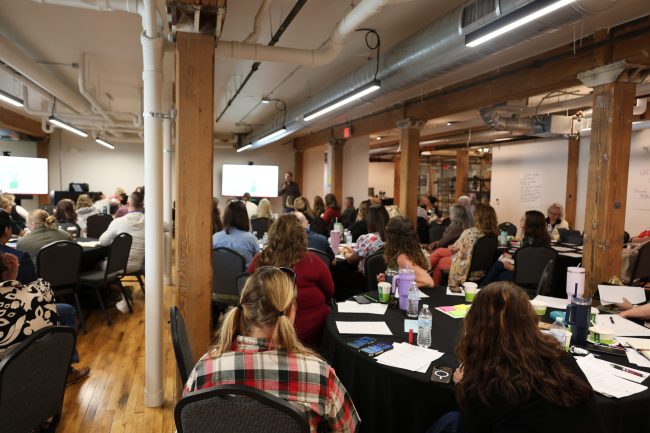
Held on May 29, 2026, at Market on River, the summit convened regional stakeholders to move beyond isolated service delivery toward community-wide mobilization. By aligning our response across housing, childcare, nutrition, and transportation, we aim to ensure that future crises find our networks prepared to support both residents and frontline workers through proactive, collective action.
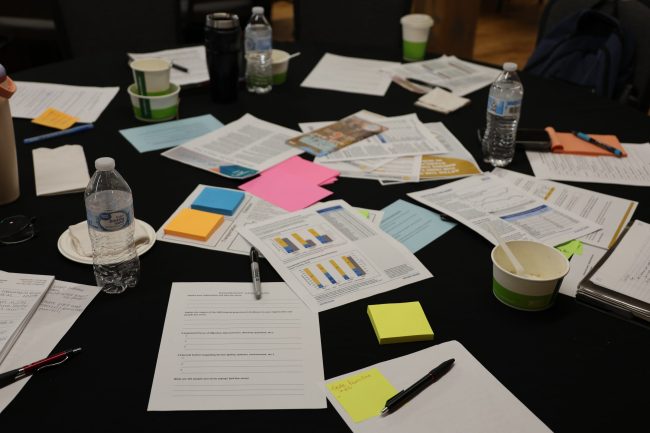
Closing & Next Steps
The progress initiated at this summit requires working trust and consistent follow-through. The group will reconvene to review action items and maintain regional momentum.
Next Meeting: October 29 (9:00 AM – 11:00 AM) via Zoom.
Inquiries: Please contact Extension staff: Margo Dieck, or Deanna Wiersgalla.
Partnership Summt Q&A Video Responses
To continue the conversation, panelists recorded video responses to questions that were not addressed during the live Q&A. Explore their responses below.
Is There an Option for Coolers or Refrigeration in Transit Vehicles?
Is the Fixed Route Still Sensible?
If Multiple Sectors Worked Together, What is the First Step?
Is the Chippewa Valley Working Together on Transportation?
How Can We Support Families Without a Vehicle?
What is Being Done to Promote More Transportation Types (biking, walking, scooters, etc.)?
What, If Anything, is Being Done to Create Better Solutions for Transportation?
Why Are We Not Taking Advantage of Electric Buses?
Why is Childcare Most Expensive in our Region Compared to the Rest of Wisconsin?
What is the Most Significant Cost to Run a Childcare Center Outside of Staff Wages?
Breakout Sessions: Actionable Strategies for the Chippewa Valley
Shared Services: Efficency Over Duplication
Key Discussion Points
The group identified several critical tensions during their dialogue:
- The Wisconsin Habit: Participants noted a regional tendency to over-provide in some areas while duplicating efforts elsewhere, described as “if you need one, we give three.”
- Outreach Barriers: A significant challenge is the lack of time and workforce capacity to perform the outreach necessary to let people know what services are actually available.
- Underutilized Assets: The group highlighted libraries and their directors as capstones of the community that provide immense support but are currently underutilized in the broader service network.
- Workforce Innovation: One “aha!” moment involved questioning whether agencies could share staff members across the region to address widespread workforce challenges
Action Items and Next Steps
To address these challenges, the group committed to two specific actions:
- Shared Community Connections Coordinator: Establishing a dedicated coordinator for human services across the entire Chippewa Valley to streamline regional efforts
- Centralized Service Database: Creating a modern, up-to-date database of all services available within the Chippewa Valley to eliminate the habit of duplicating resources
The group concluded that moving past emergency mode requires finding ways to continue this collaboration and identifying the specific barriers currently stopping effective outreach
Community Communication & Philathropy
This group focused on the need to move away from a competitive grant environment and toward a collaborative system that better matches community resources—including time, money, and talent —with the specific needs of regional organizations.
Key Discussion Points
The group explored the systemic barriers to effective giving and communication, identifying several critical areas:
- The “Black Hole of Giving”: During crises, donors often feel their contributions disappear into a “black hole” because they don’t see the direct impact or know where the money is going.
- Competition vs. Collaboration: A major tension identified was that grant requirements are often too restrictive or competitive, which discourages agencies from sharing opportunities or working together on shared goals.
- Morsel-Sized Goals: Participants realized that while massive issues like housing are overwhelming, donors are much more likely to contribute when a problem is broken down into attainable, bite-sized goals (e.g., donating $10 for a meal rather than solving homelessness).
- The Power of Storytelling: While data can be argued, individual stories of lived experience are incredibly powerful and necessary to connect funders to the human reality of these challenges.
- Unified Commitment: The group asked a fundamental question for the region: “Do we commit that everyone needs a meal to eat and a place to live?” If so, regional funding and work should follow that single, cohesive commitment.
Action Items and Next Steps
To address these challenges, the group decided on several immediate actions:
- Communications Hub: Creation of a central hub for shared community messaging, utilizing volunteers to manage the outreach.
- Funding Coordination: The group will engage local funders to lead regional funding coordination, encouraging funders to require collaboration as a prerequisite for grant applicants.
- Vision and Analysis Support: Community members will provide support for developing the long-term vision and offer business analysis help to ensure the sustainability of these new systems.
- Volunteer Portal: There is a commitment to explore a better “volunteer job board” or portal to efficiently connect community members who want to help with the organizations that have specific needs
To join the group in carrying out their action steps, please contact Sara Larsen at sara@iclouduseyourhelp.com.
Birth to Backpack: Early Intervention
The Birth to Backpacks: Early Intervention breakout group focused on the primary “itch” of reducing deep silos between public entities—including the City, County, Department of Public Instruction, Department of Children and Families, and early childhood providers—to ensure families don’t fall through the gaps between birth and kindergarten.
Key Discussion Points
Participants explored the fragmented nature of the current early childhood landscape, noting several critical tensions:
- The Funding Maze: The group discussed how public funds are currently all over the place, with inconsistent coverage and rules that make it difficult to use resources rationally.
- The “Gap” Years: A significant concern is the lack of continuity between birth-to-three programs and kindergarten, leading to a call for a system similar to the 4K Collaborative to support even younger children.
- Affordability vs. Availability: A major moment for the group was the realization that parents are now often more worried about affording daycare than actually finding a spot, representing a shift in the regional economic crisis.
- Regulatory Barriers: The group noted that HIPAA regulations frequently create disconnects and barriers between different service providers who are trying to support the same families.
- Non-Traditional Needs: Discussion highlighted the total lack of care options for parents who do not work standard 9-5 hours, as well as the absence of transportation for summer programs and camps.
Action Items and Next Steps
To bridge these gaps, the group decided on the following actions:
- Resource Mapping: Initiate a project to untangle and map regional resources for early childhood, potentially led by Childcare Resource and Referral Agencies, Thriving Wisconsin or Wisconsin Early Childhood Association.
- Field Education: Launch an effort to educate the early education field about available resources to ensure all key players are operating with the same information.
- Focus on Prevention: Commit to shifting community interest toward prevention, specifically focusing on the prenatal-to-preschool years.
- Advocacy for Subsidized Care: Explore advocating for subsidized or government-funded early childhood education, including a potential “Rally in the Valley” style visit to the state capitol in Madison.
If you would like more information or want to join the Birth to Backpacks conversation, reach out to Kate Koser at kkoser@dunncountywi.gov.
Prevention Efforts: Education as a Shield
The Prevention Efforts: Education as a Shield breakout group centered on the idea that while prevention is often hard to market compared to crisis response, it is the most effective way to protect young adults from future instability. The primary focus was the gap in housing and life-skills education for young adults. Participants noted that many individuals whose parents always owned a home enter adulthood with no understanding of how to navigate a lease or a mortgage. This lack of knowledge creates a dangerous unknown that often leads to housing loss and other significant life challenges.
Key Discussion Points
- Life Skills Literacy: The group identified a critical need for accessible education regarding financial planning, leases, and mortgages.
- Family Planning Realities: Discussion touched on the “norm” of having children, emphasizing that it should be viewed as a choice requiring a plan for maintaining a stable lifestyle, including childcare, employment, and transportation.
- Strategic Collaboration: A major “aha!” moment was the potential for Public Health to collaborate directly with local high schools to integrate these life skills into the curriculum.
- Shifting from Punishment to Rehabilitation: The group discussed how prevention extends to the justice system, arguing for rehabilitation over punishment for those who are incarcerated to prevent future recidivism.
- Systemic Standards of Living: Participants highlighted that prevention is not just about education but also about policy; they discussed the need for a higher minimum wage, better childcare support, and increased tax credit funding to raise the regional standard of living.
Action Items and Next Steps
- Safe Spaces for Learning: The group committed to creating Safe Spaces where community members can ask “dumb questions” about housing, finance, and life skills without fear of judgment.
- Accessibility as a Priority: The group concluded that accessibility is key. Moving forward, they plan to identify specific venues and systems where this education can be implemented to reach young people at the right age before they enter a crisis.
- Broadening the Scope: Action items also include addressing prevention in areas of domestic violence and abuse to ensure a comprehensive shield for the community.
Mental Health & Addictions: The Peer Connection
The primary concern for this group was access and anxiety. Participants explored how the “formality of the door” often prevents people from seeking the help they want or need. For those struggling with mental health challenges or in recovery, a clinical or government office can be intimidating, leading to the central question: “how do we get people past their anxiety and into the systems meant to support them?”.
Key Discussion Points
- The Power of Lived Experience: The group realized that peer support specialists differ significantly from traditional social workers. Because they share lived expertise, peers can build rapport and trust much faster, whereas county or medical staff can sometimes unintentionally increase a client’s anxiety.
- The Guide Model: The group discussed the need for guides who can meet people at their homes and accompany them to new locations or services, rather than requiring the individual to walk into a government building alone.
- Turning Participants into Mentors: Participants noted that many former clients have a strong desire to give back. The group explored utilizing this passion by training these individuals as recovery coaches or peer mentors to provide organic, community-level support.
- Systemic Navigation Hurdles: Discussion touched on the limitations of current tools like 211, which can be difficult for families to navigate when their specific needs (like childcare) don’t fit neatly into a category.
Action Items and Next Steps
- Implement Peer Mentoring: The group committed to launching a peer program using past participants; group members will collaborate with local organizations to study their specific training and program models.
- Collective Flow Chart: Create a shared, multi-agency flow chart to coordinate “wrap-around” support for clients, ensuring that no one is dropped after a single referral.
- Bridge Resource Gaps: Some members will work to improve the Birth to Three website and resource connections, while other members will investigate streamlining connections between sober living and clinical recovery services.
Contact Rochelle Kroening (rkroening@dunncountywi.gov) to become a group member.
Sustaining Long-Term Engagement
The Sustaining Long-Term Engagement breakout group addressed the trend that community engagement often peaks during a crisis but sharply declines once the immediate emergency is resolved, even though ongoing support is vital for long-term stability.
Key Discussion Points
The group explored the psychological and systemic factors that lead to disengagement, highlighting several important actions:
- Crisis vs. Stability: A central realization was that crisis resolution does not equal stability. The group discussed how post-service gaps occur when formal agency support expires, leading to extreme instability for families.
- The “Post-Housing” Collapse: Participants noted a specific phenomenon where an individual’s life may “fall apart” immediately after securing housing and beginning to unpack, often due to a lack of structural boundaries or a sudden sense of overwhelming responsibility.
- Readiness and Motivation: The group identified that relationships, accountability, hope, and structure are the primary drivers of sustained motivation for change.
- Barriers of Stigma: Tensions were raised regarding how the stigma surrounding addiction and homelessness creates psychological barriers that discourage people from staying connected to long-term recovery systems.
- The Strength of Lived Experience: A major takeaway was that peer mentors—those who have successfully navigated these same systems—provide a level of inspiration and credibility that formal clinical models cannot replicate.
Action Items and Next Steps
To ensure participants move from emergency mode into a sustainable future, the group decided on the following:
- Strengthen Peer Support Models: Focus on expanding peer mentoring and lived experience support as a bridge between crisis intervention and permanent stability.
- Reframe System Goals: Continue regional conversations on how to intentionally shift community systems from primarily crisis response to models that prioritize long-term recovery and stability.
- Connection Strategies: Identify and implement specific strategies to help individuals remain connected to essential services and community “villages” after their initial crisis has passed.
- Build Social Spaces: Move beyond clinical appointments to create organic social spaces—such as buddy benches or veteran coffee hours—to maintain a vital sense of mutual community support
Legislative Advocacy: A Unified Voice
The Legislative Advocacy breakout group focused on the challenge of moving beyond one-time, reactionary advocacy events to build a consistent, unified regional voice for policy change. The primary motivation for this group was determining how to effectively get people involved in policy advocacy on a regular basis. Participants were particularly concerned with how to transition advocacy from an occasional “event” into a sustained, strategic action.
Key Discussion Points
The group identified several strategic opportunities for increasing the region’s political influence:
- The Power of Un-United Groups: A key realization was that lobbying is exponentially more powerful when diverse groups—who are not typically united—come together to speak on a single issue.
- Bipartisan Bridge Topics: The group identified healthcare and childcare as ideal topics for collective advocacy because they affect nearly every industry and sector, making them powerful bipartisan issues that can bridge traditional political divides.
- Strategic Timing: Participants discussed the need to identify the key moments to bring specific parties into the fold, recognizing that not every partner needs to be involved in every stage of the advocacy process.
- Innovative Engagement: The idea of “legislative speed dating” and regular local lobby days was proposed as a way to make engaging with officials more accessible and consistent.
- Involving Lived Experience: A significant tension remains around how to authentically involve individuals with lived experience in policy work and whether current training models are sufficient to support their participation.
Action Items and Next Steps
To turn these ideas into a regional strategy, the group decided on the following:
- Replicate the Clear Vision Eau Claire Model: The group committed to bringing back or replicating the Clear Vision Eau Claire model, which previously served as a successful way for various organizations to unite for shared regional goals.
- Chamber of Commerce Collaboration: A key next step is to intentionally connect with local Chambers of Commerce to build a broader coalition that includes the regional business community in advocacy efforts.
- Consistent Action Planning: The group will focus on ways to turn advocacy into a regular, expected regional activity rather than a one-time response to a specific crisis.
Michael Golat led this breakout session. Contact Michael (michaelg@ci.altoona.wi.us) to join the Legislative Advocacy conversation.
Community Health Workers (CHWs): Coaching for Independence
The Community Health Workers (CHWs) breakout group focused on professionalizing and expanding the role of CHWs to improve regional health, housing, and self-sufficiency.
Key Discussion Points
- Coaching for Independence: A major “aha!” moment occurred when the group reframed CHWs as life coaches or peer mentors rather than clinical staff. The central goal is to teach participants how to be self-sufficient so they eventually succeed without formal system support.
- Dismantling Clinical Barriers: One health leader had a “lightbulb moment” realizing that deep medical terminology isn’t necessary for this role. Instead, rapport and lived experience allow CHWs to help families navigate systems (like HIPAA or doctor appointments) without the anxiety often caused by traditional clinical staff.
- Standardizing the Profession: The group discussed the need for clear educational pathways, including apprenticeships and certifications, to help workers get credentialed and move toward a recognized professional status.
- Funding and Sustainability: Discussion focused on identifying funding beyond traditional healthcare grants, including the Rural Health Transformation Grant, to expand the CHW model.
- Workforce Realities: The group acknowledged challenges with low salaries in the field and discussed the importance of offering flexibility, raises, and competitive wages to improve retention.
Action Items and Next Steps
- Regional Collaboration: The group committed to ongoing advocacy for the role and will work to provide a dedicated space for CHWs to connect and avoid duplicating services.
- Professional Development: Participants plan to attend the upcoming Conference for CHWs and Allies in Wisconsin Dells to further build their regional network.
- Educational Partnerships: Organizations will collaborate to explore short-term programs that connect her passion for the work with formal credentialing opportunities for regional workers
Centering Lived Experience: Dismantling Barriers
The Centering Lived Experience breakout groups primary focus was on dismantling systemic barriers, stigma, and communication gaps. Participants sought to move past industry jargon and create safe, trauma-informed spaces where individuals with lived experience are fairly compensated and directly included in institutional decision-making.
Key Discussion Points
The group explored the deep psychological and structural hurdles facing individuals in crisis, key takeaways included:
- The Qualification Trap: Participants noted that local poverty lines and qualification thresholds are often artificially high; families in crisis frequently earn too much to qualify for assistance but too little to survive.
- The Post-Housing Collapse: A profound takeaway was the realization that individuals often experience a collapse immediately after securing housing. As they begin to unpack, they often face intense loneliness and a lack of structural boundaries, making them vulnerable to being taken advantage of by old acquaintances.
- Dismantling Industry Jargon: There is an urgent need for agencies to stop using complex terms. The group highlighted that clients must feel safe asking basic questions—such as “What is a credit score?”—without feeling judged or brushed aside.
- The Strength of Organic Community: The group observed that the unhoused community is organically very strong. A major tension is how to help people maintain that vital sense of mutual support once they transition into scattered-site permanent housing.
- Landlord Accountability: The discussion also touched on the safety of renters, advising that they should always maintain paper trails (like screenshots of all communication) to protect themselves from predatory behaviors, such as the withholding of security deposits over minor infractions.
Action Items and Next Steps
To bridge these gaps and center expertise where it belongs, the group decided on several major actions:
- Standardize Paid Compensation: Implement formal rules to pay individuals for their expertise when they share their stories at speaking engagements, following Housing and Urban Development’s suggested guidelines.
- Launch a Centralized Housing Registry: Explore a unified platform (modeled after systems in Minnesota) that tracks which landlords will accept specific renter backgrounds, providing an accurate data baseline of regional housing needs.
- Build Organic Mentorship Networks: Shift from clinical appointments to “Village Models” of neighborhood-level support. This includes implementing “buddy bench” times, recruiting grandparent volunteers, and utilizing “Family Leads” to serve as sustainable community sponsors.
- Deploy “Hubspot” Information Portals: Create an accessible information hub designed to push resource data directly to the people who need it, rather than just the agencies.
- Integrate First Responders: Invite first responders to future summits and expand “Deflection Services” to help high-users of 911 transition directly into social services.
Coordinated Veteran's Support
The Veteran Benefits and Advocacy breakout group focused on the necessity of building trusted relationships and coordinated navigation systems to support veterans through a complex web of service providers.
The primary motivation for this session was the realization that supporting veterans effectively requires more than just service delivery; it requires compassionate navigation through a system that is often fragmented. Participants aimed to address the barriers that prevent veterans from receiving consistent, long-term support.
Key Discussion Points
The group explored the systemic hurdles and emotional realities of veteran services, identifying several critical tensions:
- Agency Confusion and Misdirected Referrals: There is significant confusion among both providers and veterans regarding the specific roles of the Veterans Affairs (VA), County Veteran Service Offices (CVSOs), and other local agencies like the Aging & Disability Resource Center. This lack of clarity often leads to veterans being sent to the wrong place or having to repeatedly return for the same services.
- The Eligibility Gap: Because veteran eligibility is fluid and driven by shifting legislation, a major concern was that veterans deemed ineligible for federal VA services might be incorrectly removed from systems that could still connect them to vital state-level supports.
- Housing and Case Management Strain: While veteran housing support is critical, navigating multiple organizations to keep veterans housed is increasingly difficult. Case managers face high caseloads and a significant emotional toll, particularly as they manage trauma exposure and the rising needs of an aging veteran population.
- Funding Mismatches: The group noted a mismatch in resources, where the VA is often perceived as under-resourced for long-term needs, while short-term programs may have more flexible funding but limited scope.
Action Items and Next Steps
To ensure no veteran falls through the cracks of the safety net, the group committed to the following:
- Formal Communication Pact: Establish a commitment to mutual respect and ongoing communication between regional veteran agencies and human services to ensure seamless transitions for veterans.
- Regional Tracking Integration: Coordinate regional veteran tracking and implement better case entry systems across the Western Wisconsin VA networks to support transient veterans.
- Education for Providers: Increase the regional understanding of what each organization (VA vs. CVSO vs. ADRC) specifically provides to reduce inconsistent client experiences
Contact Amy Lynch (alynch@dunncountywi.gov) to support the conversations happening around veteran benefits and advocacy.
Tech-Driven Coordination Group
The Tech-Driven Coordination breakout group focused on leveraging the UniteUs platform to bridge the communication gap between different service sectors in the Chippewa Valley.
The primary motivation for this group was the urgent need for a secure, unified way to find and share real-time resource information. Participants discussed how current systems are often siloed, making it difficult for agencies to collaborate effectively or know if a referral actually resulted in a family receiving help.
Key Discussion Points
The group explored how sophisticated technology could move the region from emergency mode into a more coordinated resilience strategy:
- The Power of “Closed-Loop” Referrals: A major “aha!” moment was the value of seeing whether a client actually accessed a resource after a referral was made. This provides a level of accountability that traditional paper or phone referrals lack.
- Reducing Trauma for Families: The platform utilizes an electronic Release of Information (ROI), which allows agencies to securely share basic data. This ensures that families in crisis do not have to repeat their trauma and answer the same questions every time they visit a new agency.
- Identifying Regional Service Gaps: Beyond just making referrals, the platform allows the region to track data on unmet needs. By analyzing where resources are requested but unavailable, local leaders can identify specific gaps to inform future funding and planning.
- Secure Collaboration: The interface includes secure messaging, allowing different partners to follow up on shared clients and collaborate on complex cases in real-time.
Action Items and Next Steps
To turn these technological tools into a regional standard, the group decided on the following:
- Onboard More Local Partners: The platform is free for community-based organizations and non-profits. The primary goal is to assist more regional agencies in joining the network to make the shared resource database truly useful for everyone.
- Coordinated Training: Organizations would benefit from training on the UniteUs database by educating on how to efficiently use the database.
- Unified Resource Mapping: Create a modern, recent database of services to eliminate the regional habit of duplicating efforts.
To receive training on the UniteUs database or to join the group, contact MJ Giesey (mj@homeforgood.org).
The Summit Process: Open Space Technology
The summit utilized Open Space Technology (OST), a participant-driven methodology designed to address complex, cross-sector social issues. Unlike traditional conferences with fixed agendas, OST allowed participants to build the schedule on-the-spot. This ensured that the most urgent regional “pain points” were addressed by the people most qualified to solve them.
The One Law: The Law of Two Feet – If at any time you find yourself in any situation where you are neither learning nor contributing, use your two feet and move to some more productive place.
Whoever comes are the right people: Trusting that those present possess the necessary passion and expertise to move the work forward.
Whatever happens is the only thing that could have happened: Focusing on the present moment and the emerging ideas rather than a predetermined script.
Whenever it starts is the right time: Recognizing that creativity and innovation do not follow a rigid clock.
When it’s over, it’s over: Prioritizing the quality of the work and the completion of the task over the schedule.

Participant Profile & Representation
The summit brought together a diverse cross-section of nonprofit staff, government officials, school staff, service organizations, and community members, and encouraged representation from both administrative and frontline perspectives. The inclusion of both administrative and frontline perspectives ensured that various levels of community work were represented.
Central to the process was the inclusion of legislative representatives as listening partners. These partners were invited specifically to observe and learn from the ground-level challenges and innovative strategies emerging from the sessions, acting as resources for systemic navigation rather than presenters of policy hurdles.
Participant Testimonial
“I love this! Such important things happening that I had no idea about. I would love for this to become a regular opportunity.”
“This was interesting to attend and learn as a new comer to this side of healthcare. It is really eye opening, I think this should be open to more professions, it may close the gaps on some things.”
Summit Evaluation & Impacts
Based on 47 surveys collected, community leaders reached a 100% consensus on the value of this collaborative model.
Evaluation Highlights
100%
Participation was a valuable use of time
32% Agree, 68% Strongly Agree
100%
Gained new connections, knowledge or ideas
34% Agree, 66% Strongly Agree
100%
Open Space format provided high or moderate value
30% Agree, 70% Strongly Agree
Moving From Conversation to Action
The following themes reflect how participants plan to turn ideas from the Partnership Summit into meaningful action within their organizations and communities.
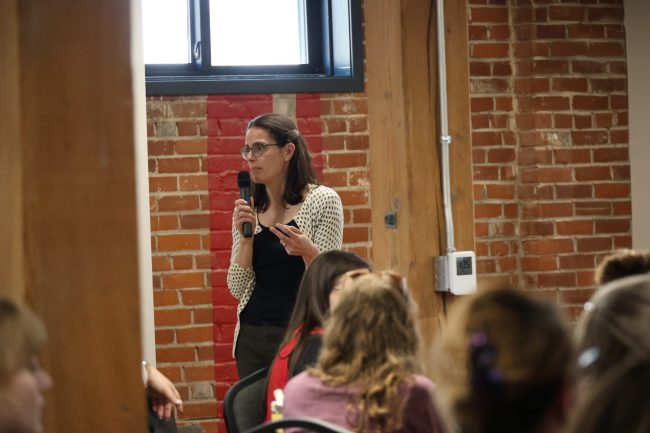
Theme 1: Actively Connecting & Nurturing Networks
By far the most common response, attendees are focusing heavily on following up with new connections they met at the summit.
Expanding Geographies: Reaching out to providers in other counties and expanding communication to the northern part of the state.
New Outreach: Scheduling firmer meetings, emailing new contacts, or committing to connecting personally with 2–3 new colleagues or agencies.
Past Partnerships: Re-engaging and strengthening ties with existing or past local organizations to create better coordination (specifically naming local staples like local libraries and food pantries).
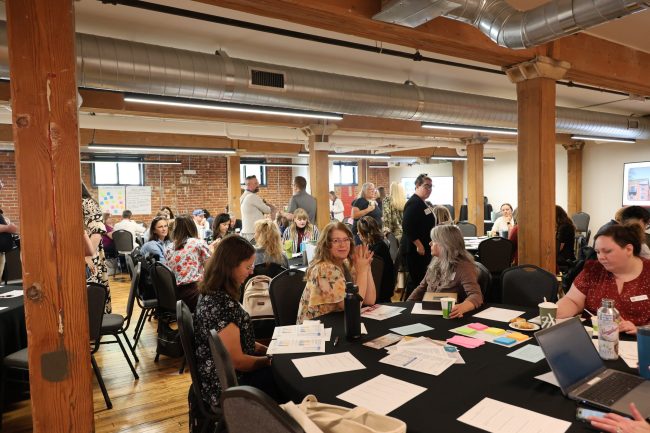
Theme 2: Resource & Data Infastructure
Several partners are shifting toward building tangible tools to streamline future collaboration.
Program Assessment: Implementing surveys to improve service delivery based on summit takeaways.
Volunteer Databases: Diving into the creation of a volunteer database that covers the Chippewa Valley.
Centralizing Assets: Working on service platforms to streamline and coordinate care for clients across multiple organizations in the community.
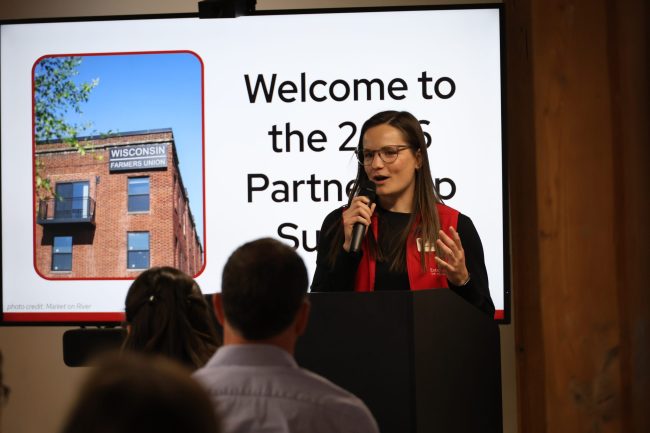
Theme 3: Sharing the Message/ Internal Alignment
Participants want to break down silos internally by bringing the summit’s energy back to their home teams.
Outward Sharing: Launching outreach plans to share services and hosting community input meetings to spread the word further.
Inward Sharing: Bringing new connections directly to clinical or organizational community teams and shared networks.
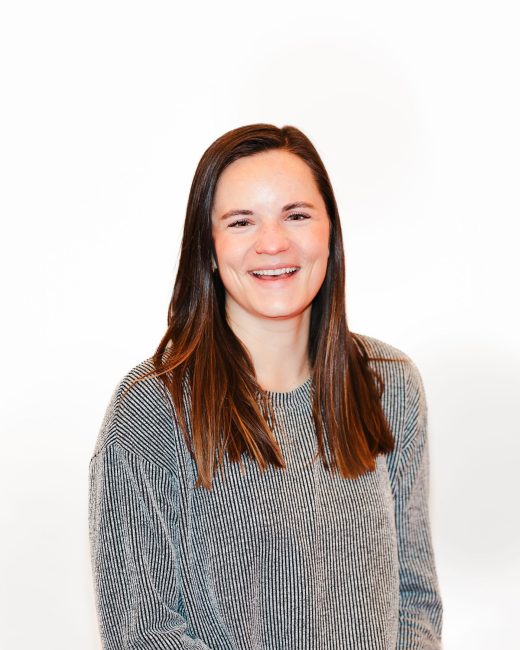
Margo Dieck
Health & Well Being Educator margo.dieck@wisc.edu
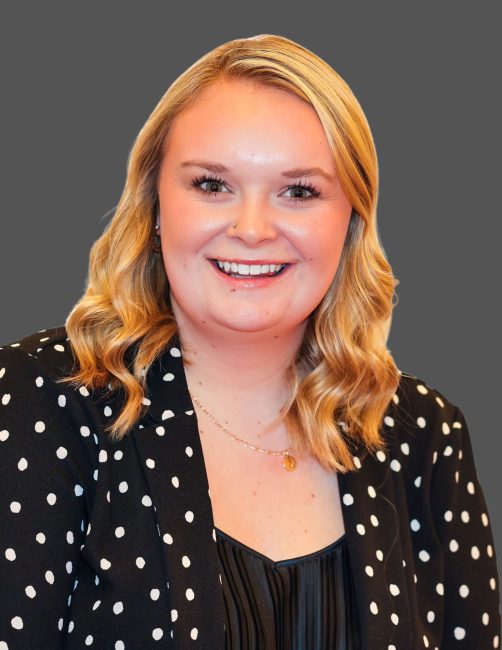
Deanna Wiersgalla
Community Development Associate Educator deanna.wiersgalla@wisc.edu
We extend our sincere thanks to Garret Zastoupil for his dedication and contributions to making the Partnership Summit a success. As Garret is no longer with UW–Madison Extension, we are grateful for the work he contributed and wish him continued success in his future endeavors.